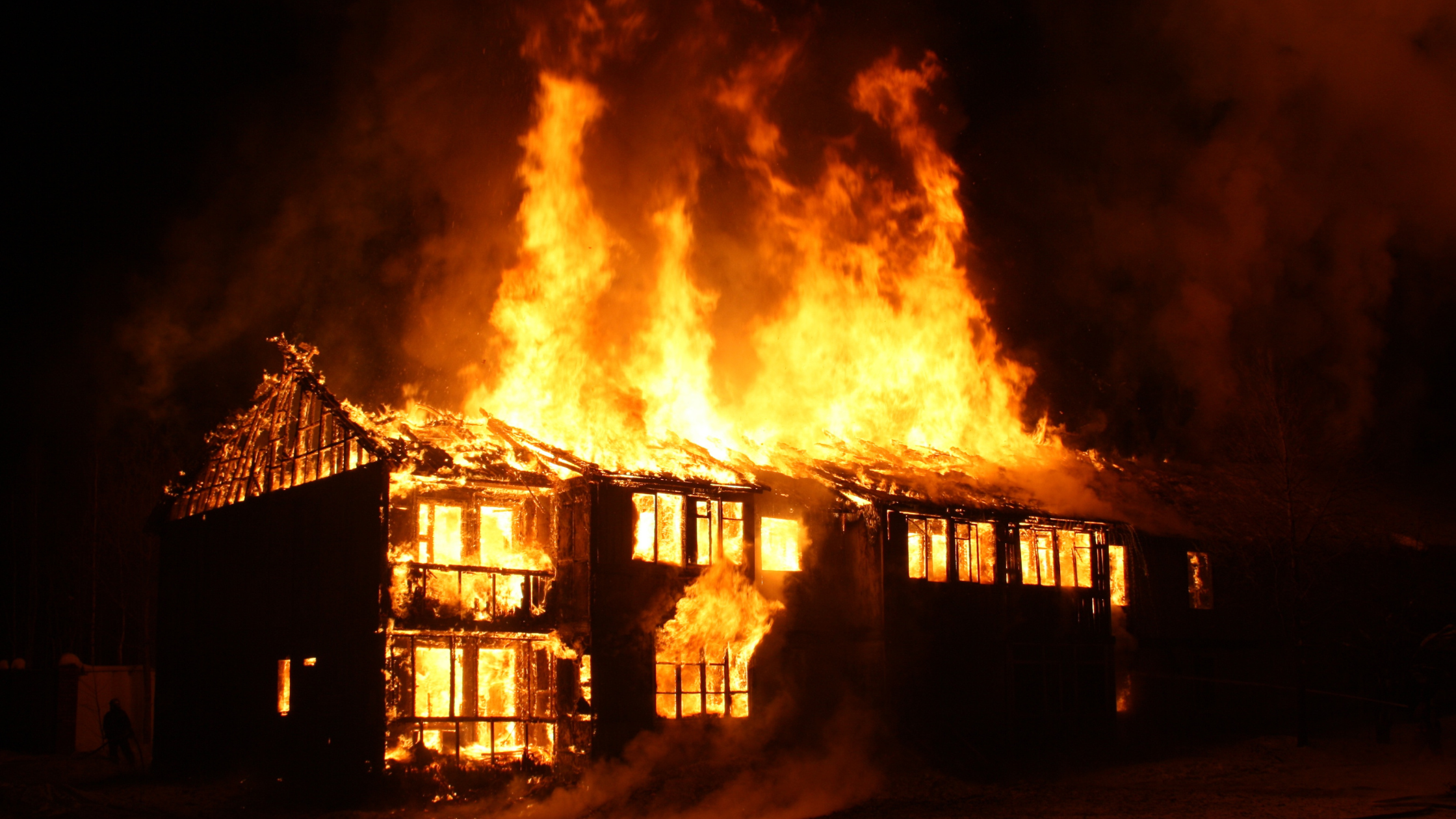
When a fire starts in your home, it can quickly spread and get out of hand. So, don't wait until it's too late. It's always best to be proactive and fire-proof your home. Here are some of our tips to assist in protecting your home.
1. Call an Electrician to Fix Electrical Problems Immediately
Electrical problems are one of the most common causes of a house fire. If you notice any loose or worn electrical wiring or if you hear or see any electrical sparks, you should immediately call an electrician to address the issue.
If you don't, there's a high risk of a fire starting. After all, if the circuit is loose, there's a chance that the wires may be touching each other. When this happens, you may get a spark.
Once the spark happens, it can easily start a fire. Further, a fire can also start if you have a worn power wire. The worn wire can eventually develop holes that allow the electricity to escape, creating a potential fire hazard.
Electrical fires can also start when there's a short circuit at home. In short circuits, the electricity travels through the wiring and goes to a path that is easier to travel through. If this happens, a part of the circuit will remain overloaded even if the circuit breaker is opened.
The overloaded circuit can eventually cause the wires to start melting. Once the wires have been melted, a fire can start.
If you notice any of these problems or you see any sparks, the best thing that you should do is to immediately call an electrician to fix any electrical problems.
2. Regularly Check Your Smoke Alarms and Sprinkler Systems
A smoke alarm is one of the most important fire-proofing devices you can have at home because it can detect fires even before the flames start.
The smoke alarm works by detecting the smoke given off by a fire. That way, it can alert you before the fire has spread and before your property has already been damaged.
If you don't have a smoke alarm, you should immediately buy one and install it throughout your house. A smoke alarm will help you detect fires as soon as they start and give you time to do something about it.
Meanwhile, you should also regularly check your sprinkler systems. You can do this by checking the sprinkler's pressure and water flow.
By doing this, you will know if there are any leaks in the system, whether the sprinklers are working properly, and the number of sprinkler heads that are installed.
3. Get Fire Extinguishers
Fire extinguishers are another important fire-proofing tool. This is because it can help you put out a fire before it spreads by using a substance that absorbs heat and stops the fire from burning.
There are different types of fire extinguishers. So, before you buy one, you should know the types of fires it can put out. For instance, if you have a house fire, you should have a fire extinguisher that can put out a fire involving wood and paper.
When buying a fire extinguisher, make sure that it's in good condition and that it can respond well to the type of fire you'll expect in your house.
In Summary
A fire can destroy your property, injure you, and cause you great amounts of stress. To make sure that it doesn't happen, you should fire-proof your home by fixing electrical problems, checking your smoke alarms, getting fire extinguishers, and having a well-maintained sprinkler system.
Another way to protect your home in case of fire is to get a home insurance policy that covers fire damage. Ensura is a home insurance broker in Sydney that services insurance for businesses, motor vehicles and homes. Our experts will work with you to understand where your risks are and what cover you need to ensure you have a risk management strategy and solution suited to you. Get a quote now!
Disclaimer: As with any insurance, the cover will be subject to the terms, conditions and exclusions contained in the policy document. The information contained on this webpage is general only and should not be relied upon as advice. The opinions expressed in the Blog are for general informational purposes only and are not intended to provide specific advice or recommendations for any individual or on any specific insurance product. It is only intended to provide education about the financial and insurance industry. The views reflected in the commentary are subject to change at any time without notice.


